Yes, waterjet cutting can precisely handle most special materials and complex geometries, but the answer depends on three critical factors: your material properties, your tolerance requirements, and the configuration of the waterjet system itself.
For special materials, waterjet excels where thermal processes fail. Materials like titanium alloys, nickel-based superalloys (Inconel), carbon-fiber composites, layered laminates, and heat-sensitive polymers are ideal candidates. Because waterjet is a cold-cutting process—typically maintaining the workpiece below 200°F (93°C) at the cut zone—it introduces zero heat-affected zone, no metallurgical phase changes, and no delamination risk. For example, cutting 2-inch-thick titanium plate with a laser would cause surface oxidation and residual stresses, while a high-pressure waterjet (60,000–90,000 psi) produces a clean, stress-free edge with a surface finish of 125–250 Ra microinches, often eliminating secondary grinding. For brittle materials like glass or ceramics, the precision is equally impressive: with proper parameter tuning, edge chipping can be held under 0.005 inches.
For complex geometries, modern 5-axis waterjet systems deliver exceptional precision. These systems can achieve dynamic tilt angles up to ±60° and full 360° rotation, enabling true 3D contouring, bevel cutting, and tapered-hole drilling—all in a single setup. The latest motion control systems incorporate real-time taper compensation algorithms that automatically adjust the nozzle angle to correct for the natural jet lag and kerf taper, holding positional tolerances of ±0.001 inches per foot on thin materials and ±0.003 inches per foot on 4-inch-thick steel. This means you can cut a 45° chamfer on a 3-inch armor plate or produce a variable-depth pocket in a granite slab with the same fixture, drastically reducing setup errors and handling costs.
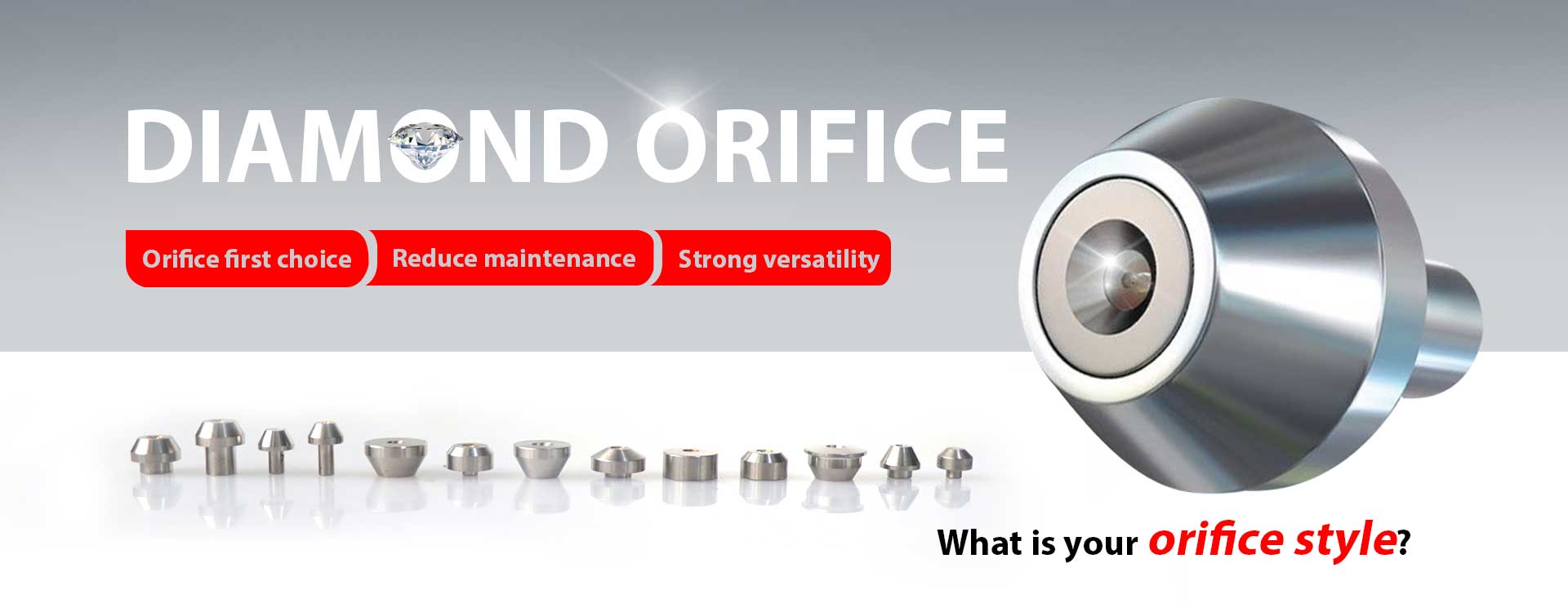
However, precision is not automatic—it requires careful system matching. For ultra-tight tolerances (below ±0.002 inches), you must specify a high-rigidity machine frame (granite or steel-reinforced), a closed-loop servo drive system, and abrasive metering with real-time flow feedback. The abrasive grain size matters: 80-mesh garnet gives smoother finishes for thin parts, while 50-mesh increases cutting speed for thick sections but leaves a rougher edge. Also, nozzle orifice wear directly impacts accuracy—a worn 0.014-inch orifice can increase kerf width by 40%, so using high-quality carbide or diamond-orifice nozzles and replacing them at scientifically determined intervals (based on cutting hours, not visual inspection) is non-negotiable.
For your specific application, I would need to know your material type, thickness, minimum tolerance, and whether you require stacked cutting or nested 3D paths. In practice, waterjet achieves precision comparable to wire EDM for most thicknesses, but at a fraction of the cycle time and without the conductive material limitation. The key is to conduct a test cut with your actual material, measure the taper and surface quality, and then fine-tune the pump pressure, traverse speed, and abrasive flow rate. Many manufacturers offer free feasibility testing—I strongly recommend you take advantage of that before committing. In short, with the right machine setup and process parameters, waterjet can indeed deliver the precision your complex project demands. It is not a universal guarantee, but for 95% of special materials and intricate shapes, it is the most capable and versatile solution available today.
LiveChatclose

 Send Email
 WhatsApp